

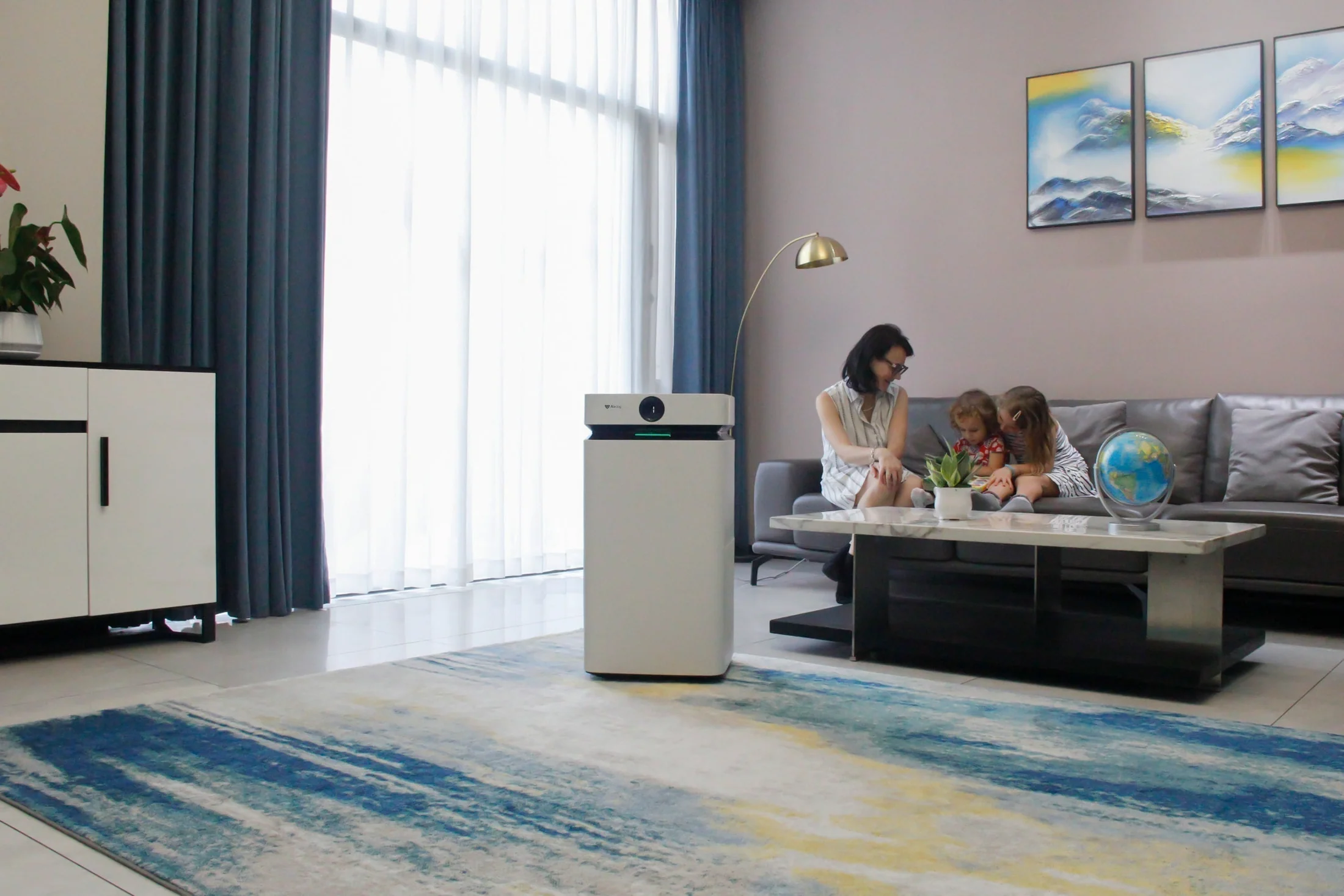
Rooms can feel stale even when the heating and cooling system seems to work normally. Whole house airflow ideas focus on moving conditioned air more evenly, reducing trapped heat, and giving return air a clear path back to the system.
The goal isn’t to create a noticeable breeze everywhere. Good airflow should feel quiet, balanced, and consistent from room to room.
Start With Supply and Return Air Balance
Every room receiving conditioned air needs a practical route for that air to leave. A bedroom with a strong supply vent but no nearby return path can become pressurized when the door is closed, reducing circulation.
Check that furniture, curtains, rugs, and storage aren’t covering supply registers or return grilles. Even partial blockage can change how air moves through a smaller room.
Give Closed Rooms a Return Path
Undercut doors, transfer grilles, or dedicated return ducts can help air move back toward the central system. The right solution depends on the home’s layout and HVAC design.
Use Fans to Connect Problem Areas
Ceiling fans don’t lower room temperature, but they can mix warmer and cooler air that separates naturally. Run them at a comfortable low or medium speed instead of creating constant strong drafts.
Homeowners comparing layouts and decorating around registers can also find useful visual ideas through room styling inspiration, especially when furniture placement is affecting airflow.
Portable fans can help temporarily, but placement matters. Aim them through doorways or across stagnant corners rather than directly at people all day.
Make Furniture Placement Work With Air Movement
Large sofas, cabinets, and beds can create hidden dead zones where air barely moves. Leaving several inches of breathing room around vents often improves circulation without changing the mechanical system.
Ideas for arranging traffic paths and furniture zones can be explored through interior layout concepts while keeping supply and return openings unobstructed.
| Airflow Issue | Likely Cause | Practical Check |
|---|---|---|
| One room feels stuffy | Weak return path | Test with door open |
| Vent blows weakly | Register obstruction | Move furniture nearby |
| Upper area stays warm | Air stratification | Run ceiling fan |
| Hall feels fine, room doesn’t | Closed-door imbalance | Check transfer path |
Improve Air Exchange Without Wasting Comfort
Opening windows can refresh a home when outdoor conditions are mild, but relying on windows alone is inconsistent. Wind, temperature, humidity, pollen, and outdoor air quality all affect whether natural ventilation is useful.
Broader living space ideas can complement ventilation planning when reorganizing rooms, but airflow should still be judged by how the HVAC system performs with doors in their normal positions.
Mechanical ventilation may be worth considering in tighter homes where natural air leakage is limited.
Common Airflow Fixes That Miss the Real Problem
Closing vents in unused rooms sounds efficient, yet it can alter system pressure and sometimes make distribution worse. Likewise, adding a powerful fan doesn’t solve a return-air restriction hidden behind a closed door.
Another mistake is assuming stronger airflow is always better. Excess velocity may create noise, drafts, and comfort complaints. The useful target is balanced circulation, not maximum air speed.
Frequently Asked Questions
Why does my bedroom feel stuffy with the door closed?
The supply vent may be delivering air faster than the room can return it to the central system. A larger door undercut, transfer grille, or dedicated return path may improve circulation.
Should every room have a return vent?
Not necessarily. Some homes use central returns successfully when rooms have adequate pathways for air to reach them. Closed rooms need enough transfer area to prevent major pressure differences.
Can ceiling fans improve whole-house airflow?
They can improve air mixing within individual rooms and reduce temperature layering. They don’t replace ducted supply and return airflow, but they can make uneven spaces feel more comfortable.
Build Better Air Paths First
Before increasing fan speeds or changing equipment, look at the paths air already has to travel. Clear registers, workable return routes, open transfer paths, and sensible furniture placement can solve many comfort problems. If several rooms remain difficult to balance, an HVAC professional can measure airflow and pressure rather than relying on guesswork.


