


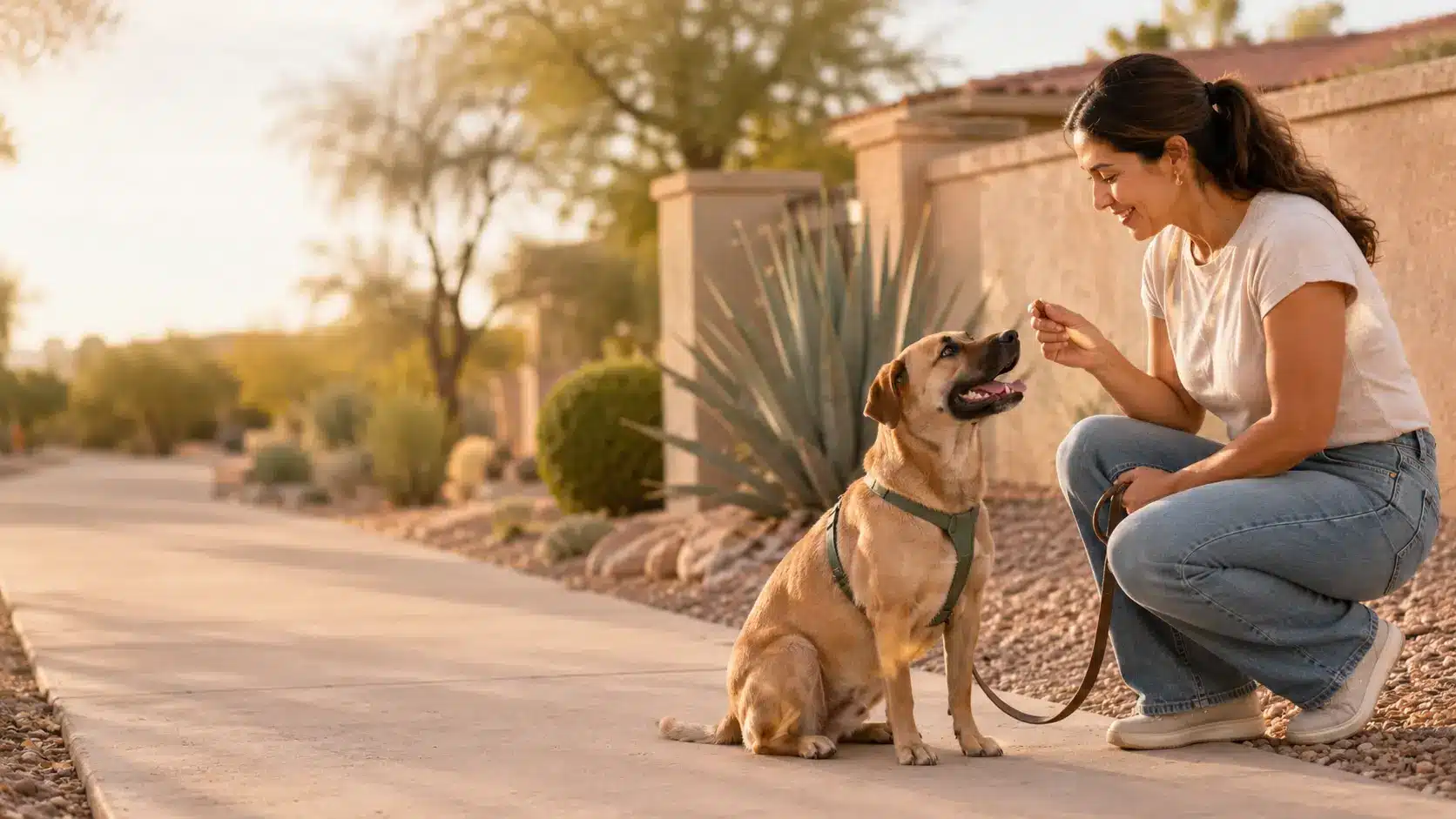
Bringing a puppy home is exciting, but the early months also come with plenty of learning for both the dog and the owner. Puppy training Scottsdale families choose can help young dogs develop good manners, reliable communication, and confidence as they experience new people, places, sounds, and routines. Starting early gives owners an opportunity to guide behavior before unwanted habits become harder to change.
Puppy training is not simply about teaching a dog to sit or stay. It is about helping a young dog understand what is expected while building habits that support lifelong learning. With guidance from Rob’s Dog Training, owners can give their puppies a structured start while learning practical ways to reinforce good behavior at home.
Why Early Puppy Training Matters
Puppies are constantly learning from their surroundings. Every interaction can influence future behavior, whether they are meeting visitors, walking on a leash, waiting for food, or responding to household routines.
Without guidance, puppies may develop habits that seem harmless at first but become frustrating later. Jumping on people, pulling toward distractions, excessive barking, chewing household objects, or ignoring recall can become more difficult to address as a dog grows.
Early training gives owners the chance to teach appropriate behaviors from the beginning.
A well-structured puppy training program can help establish:
- Basic obedience and communication
- Appropriate household manners
- Reliable responses to simple cues
- Comfortable leash behavior
- Positive social experiences
- Better impulse control
- Confidence around new environments
- Consistent routines and expectations
The goal is not to expect adult-level behavior from a young puppy. Instead, training should match the puppy’s developmental stage while gradually building more reliable skills.
Puppy Training Scottsdale Owners Should Start With
A puppy does not need dozens of commands immediately. A small collection of useful behaviors can provide a strong starting point.
Name Recognition
A puppy should learn that responding to its name is worthwhile. Owners can say the puppy’s name in a calm voice and reward attention when the puppy looks toward them.
This simple exercise supports communication and can later help owners redirect attention away from distractions.
Sit and Stay
Sit is one of the easiest behaviors for many puppies to learn and can become useful in everyday situations. A puppy can practice sitting before receiving food, going outside, greeting someone, or getting access to something it wants.
Stay introduces a more advanced concept: remaining in position instead of immediately moving toward something interesting. Training should begin with very short durations and gradually increase as the puppy succeeds.
Come When Called
Recall is an important safety behavior. Puppies should learn that coming when called leads to positive outcomes and that responding to their owner is worthwhile.
Owners can begin in quiet, low-distraction environments before gradually practicing around more challenging surroundings.
Walking on a Leash
Leash training is another important part of early puppy education. Puppies may naturally want to investigate everything around them, which can lead to pulling, stopping, or constantly changing direction.
Rather than simply correcting pulling, owners can teach puppies that walking calmly near them is rewarding. Short practice sessions can help develop better leash habits without overwhelming a young dog.
Socialization Is More Than Meeting Other Dogs
Socialization is often misunderstood. It does not mean taking a puppy everywhere and encouraging interaction with every dog or person it encounters.
Effective puppy socialization involves controlled exposure to different experiences while helping the puppy remain comfortable and responsive.
A puppy may gradually encounter:
- Different people and appearances
- Household sounds and outdoor noises
- Cars and other forms of transportation
- Different surfaces and environments
- New locations
- Grooming and handling
- Calm, appropriate dogs
- Everyday distractions
The objective is to help the puppy learn how to respond appropriately to unfamiliar situations.
Puppies should not be forced into situations that cause significant fear or distress. Instead, owners can introduce new experiences gradually and allow the dog to build positive associations at an appropriate pace.
Building Impulse Control in Young Dogs
One of the most valuable skills a puppy can develop is impulse control.
Young dogs naturally act on curiosity and excitement. They may rush toward food, jump on visitors, grab objects, bark for attention, or struggle to remain calm when something interesting happens.
Training can teach puppies that immediate action is not always necessary.
Simple exercises can include asking for a sit before opening a door, waiting briefly before receiving food, or rewarding calm behavior when someone enters the home.
These small moments can become meaningful lessons in self-control.
Impulse control also supports other areas of obedience. A puppy that learns to pause and pay attention can become better prepared for leash walking, recall, greetings, and more advanced training.
Puppy Manners Begin at Home
Training should not stop after a formal session. Everyday routines provide valuable opportunities to reinforce appropriate behavior.
For example, owners can establish consistent expectations around:
- Greeting people without jumping.
- Keeping four paws on the floor.
- Chewing appropriate toys instead of household objects.
- Waiting calmly for food.
- Settling down when the household becomes busy.
- Responding to basic cues before receiving rewards.
Consistency is particularly important. If a puppy is allowed to jump on people one day but corrected for jumping the next, the dog receives mixed information.
Everyone in the household should understand the basic rules and respond to behavior in a reasonably consistent way.
Positive Reinforcement Can Make Learning Clearer
Effective training should help a puppy understand which behaviors are desirable.
Positive reinforcement involves rewarding a behavior that the owner wants to encourage. Depending on the individual dog, reinforcement might include treats, praise, play, toys, attention, or access to something the puppy enjoys.
Timing matters. The reward should follow the desired behavior closely enough for the puppy to understand what earned it.
For example, if a puppy sits calmly before receiving a treat, rewarding that behavior helps create a connection between sitting and receiving something valuable.
Training should also consider the puppy as an individual. Age, temperament, motivation, energy level, previous experiences, and environment can all influence how a dog learns.
How Owners Can Make Training More Effective
Even a well-designed training program can lose effectiveness when practice at home is inconsistent.
Owners can support progress by following a few practical principles.
Keep Sessions Short
Puppies have limited attention spans. Several short sessions throughout the day may be more productive than one long session that leaves the puppy tired or frustrated.
Practice in Different Environments
A puppy that listens perfectly in a quiet living room may struggle at a park or around other dogs. Gradually practicing in different environments helps dogs learn to respond despite distractions.
Reward the Behavior You Want
Owners should pay attention to good behavior, not only unwanted behavior. Calmly lying down, checking in with an owner, waiting at a door, or choosing a toy instead of a shoe can all be opportunities for reinforcement.
Avoid Expecting Perfection
Puppies are still developing. Mistakes are part of the learning process. Training should focus on steady improvement rather than expecting flawless obedience immediately.
When Professional Puppy Training Can Help
Some puppies require more individualized guidance than others. A puppy may be energetic, easily distracted, fearful in unfamiliar environments, highly excitable, or struggling with specific behaviors.
Professional guidance can help owners understand why a behavior is occurring and determine how to address it appropriately.
A professional trainer can also provide structure and accountability. Instead of randomly trying different techniques, owners can work from a consistent training plan that considers the puppy’s behavior, environment, and goals.
This can be particularly useful when owners are unsure how to handle jumping, leash pulling, barking, recall difficulties, or other emerging behavior concerns.
Training Is a Partnership Between Puppy and Owner
One of the biggest misconceptions about puppy training is that the puppy is the only one being trained.
Owners also need to learn how to communicate clearly, recognize behavior patterns, reinforce desired responses, and create consistent expectations. A puppy may understand a cue in one situation but struggle when the environment changes.
That does not necessarily mean the training failed. It may simply mean the behavior needs more practice under different conditions.
Successful training is built through repetition, patience, consistency, and appropriate progression.
Give Your Puppy a Strong Start
The early months of a dog’s life provide valuable opportunities to establish habits that can support future behavior. Puppy training Scottsdale owners choose should go beyond memorizing commands. It should help puppies learn how to listen, settle, interact appropriately, respond to guidance, and navigate everyday experiences with greater confidence.
The right approach also recognizes that every puppy is different. Training should account for the dog’s age, temperament, learning pace, environment, and individual challenges.
If you are looking for structured guidance to help your puppy develop practical obedience and everyday manners, Rob’s Dog Training can provide professional support tailored to your dog’s needs. Visit the website to learn more about available dog training services and take the next step toward building better habits with your puppy.