A single window covering often forces a compromise between daylight and privacy. Layered window treatments solve that problem by combining materials with different jobs, letting you soften glare, block outside views, darken a room when needed, and add visual warmth without making the window feel heavy.
The strongest combinations are usually simple. Two well-chosen layers often work better than three decorative treatments competing for space.
Start With a Light-Filtering Inner Layer
Sheer curtains, woven shades, and light-filtering roller shades work well closest to the glass. They reduce harsh brightness while preserving some natural daylight, which makes them useful in living rooms, dining areas, and home offices.
For broader decorating inspiration, home design references can also help you compare how soft window materials relate to furniture, wall color, and room proportions.
Choose Sheers for Movement and Softness
Sheer panels introduce gentle movement that rigid blinds cannot provide. White, cream, oatmeal, and pale gray fabrics are easy to combine with heavier outer curtains.
Choose a weave dense enough to diffuse direct views during daylight. Remember that most sheer fabrics offer much less privacy after dark when interior lights are on.
Add an Adjustable Privacy Layer
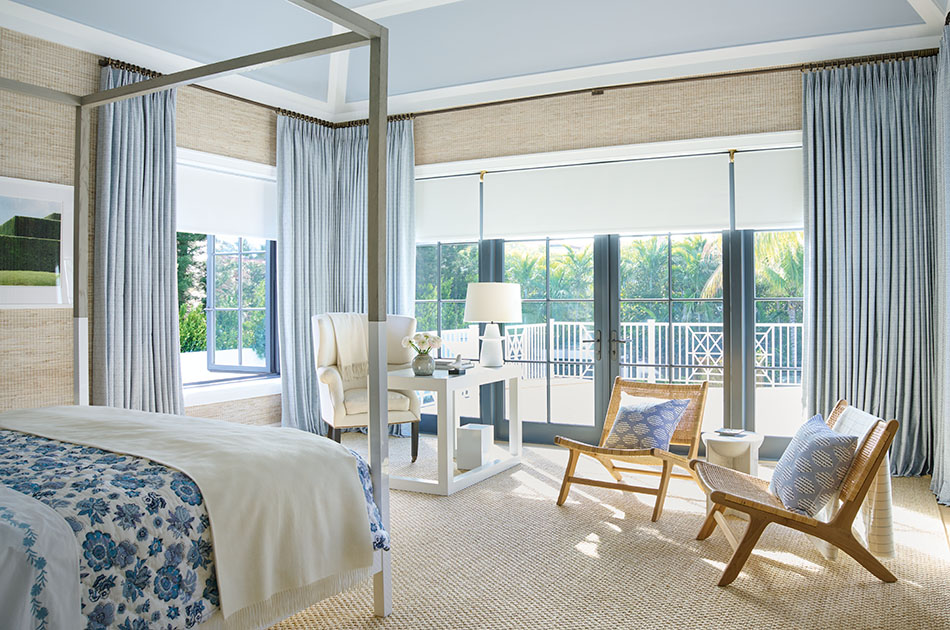
A blind or shade behind curtains gives you more control than fabric alone. Roman shades, cellular shades, and roller shades can be raised during the day and lowered when privacy matters.
Ideas found across residential styling resources can be useful when deciding whether a structured shade or softer fabric treatment better matches the architecture of a room.
| Layer | Main Job | Useful Location |
|---|---|---|
| Sheer panel | Softens daylight | Living room |
| Roller shade | Adds privacy | Bedroom |
| Blackout curtain | Blocks light | Nursery |
| Woven shade | Adds texture | Dining room |
Use Outer Curtains for Weight and Warmth
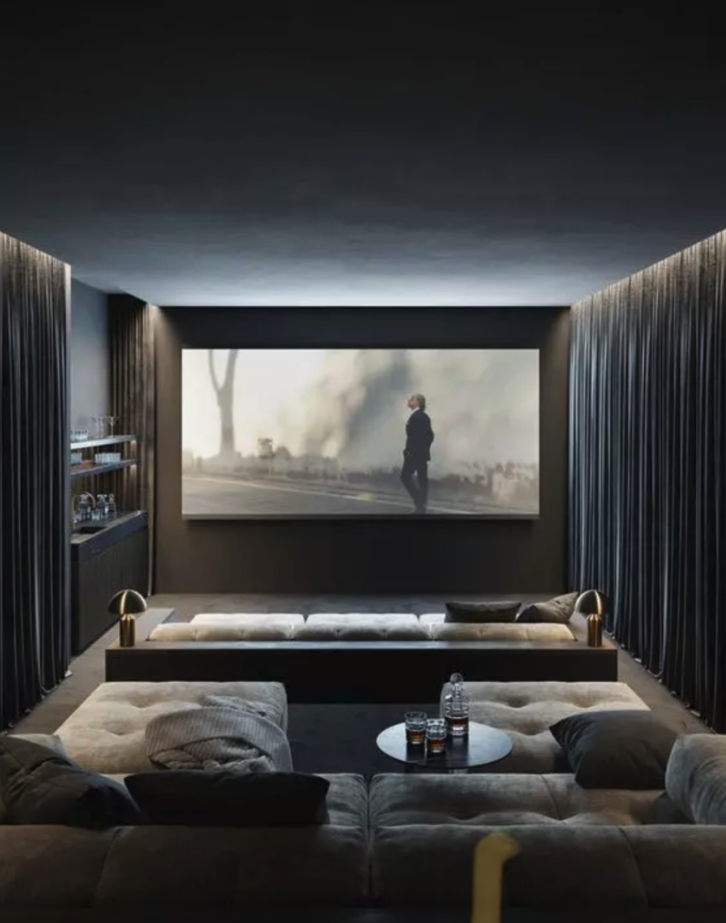
Outer drapery provides the strongest visual frame. Linen blends suit relaxed rooms, velvet gives more visual weight, and lined cotton can offer a balanced option without looking overly formal.
A wider look at interior planning ideas may also help when coordinating curtain texture with flooring, upholstery, and larger architectural details.
Mounting panels wider than the window can make the opening appear larger. It also allows more of the glass to remain uncovered when the curtains are open.
Match the Layers to the Room
Bedrooms usually benefit from stronger light control, so a blackout shade paired with decorative curtains makes practical sense. In a living room, light-filtering shades with linen panels may provide enough privacy without shutting out daytime brightness.
Kitchens often need simpler materials. A washable Roman shade or roller shade can be easier to maintain than long fabric panels near food preparation areas.
Keep Hardware Visually Consistent
Layering requires enough clearance for each material to move freely. Double curtain rods are useful when combining sheers and outer panels, while inside-mounted shades keep the setup cleaner.
Finishes should relate to other metal details in the room. Matte black, warm brass, brushed nickel, and wood can all work when repeated elsewhere.
Where Layered Window Treatments Go Wrong
Adding layers does not automatically improve a window. Heavy patterned curtains over thick Roman shades can overwhelm smaller rooms, especially when furniture already carries strong colors or textures.
Another mistake is treating sheers as nighttime privacy. Once indoor lighting becomes brighter than outdoor light, silhouettes may remain visible. Use a second opaque layer where privacy is essential, and test the treatment from outside after sunset rather than relying on assumptions.
Frequently Asked Questions
Can you use blinds and curtains on the same window?
Yes. Blinds can provide adjustable privacy and light control while curtains soften the appearance of the window. Keep enough space between the two treatments so both can operate without catching or bunching.
Should layered curtains touch the floor?
Full-length outer curtains often look most intentional when they touch or nearly touch the floor. Inner sheers may follow the same length, although shorter treatments can be more practical near counters, radiators, or moisture.
What is the simplest layered window combination?
A light-filtering roller shade paired with plain curtain panels is one of the easiest combinations. The shade handles daily privacy and glare while the curtains add softness without creating excessive visual weight.
Build the Layers Around Daily Use
Choose each layer because it solves a specific problem rather than because the window appears unfinished. Start with privacy and daylight control, then add softness through fabric and texture. A restrained combination that opens easily, closes fully, and suits the room’s proportions will usually remain useful longer than an elaborate arrangement built mainly for decoration.