

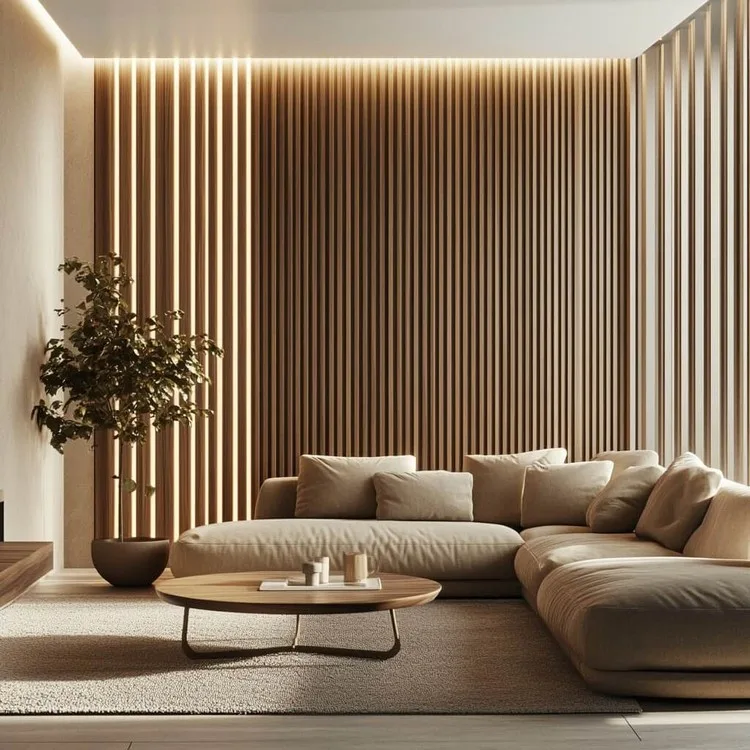
Fabric wall panels can make a room feel warmer, quieter, and more finished without relying on heavy decoration. They soften hard architectural surfaces, introduce texture, and can improve the sense of comfort in bedrooms, living rooms, offices, and reading spaces.
The strongest fabric wall panel ideas balance appearance with practical concerns such as dust, cleaning, durability, and placement.
Why Fabric Panels Change the Feel of a Room
Painted drywall, glass, tile, and hard flooring can make an interior feel visually sharp. Upholstered wall panels introduce a softer surface that breaks up those hard finishes and gives the room more depth.
Their effect is especially noticeable around beds, seating zones, and quiet corners. A full upholstered wall can feel luxurious, while a smaller group of panels creates similar softness with less material.
Think Beyond Traditional Headboards
Fabric panels work well behind a bed because they can extend farther than a conventional headboard. Running panels from floor to ceiling can make a modest bedroom feel taller and more intentional.
Homeowners collecting broader outdoor and interior inspiration can also apply the same design principle indoors: large surfaces often look calmer when treated as one complete composition rather than several unrelated accents.
Choose Fabric for Texture, Not Only Color
The weave often matters more than the shade. Linen-look textiles, wool blends, bouclé-style materials, and tightly woven upholstery fabrics can create noticeably different moods even when used in similar neutral colors.
A useful approach is to compare material samples beside flooring, curtains, and furniture. Resources focused on residential design ideas can provide additional visual direction, but the final choice should respond to the actual light and finishes inside the room.
| Panel Approach | Best Setting | Main Consideration |
|---|---|---|
| Full-height panels | Bedrooms | Requires accurate alignment |
| Framed fabric sections | Living rooms | Easier to replace |
| Padded panels | Reading areas | Adds greater softness |
| Narrow vertical panels | Small rooms | Creates visual height |
Use Panel Layout to Control the Visual Effect
Large rectangular panels create a cleaner architectural appearance. Smaller squares or repeated geometric sections bring more rhythm but may appear busy if the fabric already has a strong texture.
Vertical panels are useful when you want to draw the eye upward. Horizontal panels can visually widen a narrow wall, particularly behind a sofa or console.
For spaces designed around relaxation, comfortable room inspiration can help spark ideas for combining soft walls with lighting, rugs, cushions, and furniture placement without making the room overly coordinated.
Where Fabric Panels Work Best
Bedrooms remain the easiest location because upholstered walls naturally suit soft furnishings. Dining areas can also benefit when panels are placed behind a banquette or along one feature wall.
Home offices are another practical option. A fabric panel behind a desk can make video-call backgrounds feel more finished while reducing the amount of bare wall visible in the frame.
Use Partial Coverage in Busy Rooms
A full fabric wall isn’t necessary everywhere. In family rooms or spaces with children, covering only the upper portion of a wall can keep the textile away from shoes, spills, pets, and furniture impacts.
Partial installations are also simpler to replace if tastes change.
Mistakes That Can Make Fabric Walls Hard to Maintain
The biggest mistake is choosing material purely for appearance. Very loose weaves can trap dust, delicate fabrics may snag, and pale textiles placed near food or high-traffic areas can show marks quickly.
Avoid installing panels where moisture is common unless the materials and wall construction are appropriate. Bathrooms, damp basements, and walls with unresolved condensation problems need attention before decorative fabric is added.
Frequently Asked Questions
Do fabric wall panels help make a room quieter?
They can reduce some reflected sound because soft surfaces absorb more sound than bare hard walls. Their acoustic effect depends on the panel construction, padding, coverage area, and the amount of other soft material in the room.
Can fabric panels be installed without covering the entire wall?
Yes. Panels can be limited to the area behind a bed, sofa, bench, desk, or reading chair. Smaller installations often create enough visual impact while remaining easier to clean and replace.
What colors work best for upholstered wall panels?
Neutral shades are flexible, but deeper greens, blues, browns, and muted terracotta can create a strong feature wall. The better choice is usually the color that complements nearby flooring, furniture, and natural light.
Make Softness Part of the Architecture
Fabric panels work best when they feel integrated rather than added as decoration after everything else is finished. Start with the wall that would benefit most from softness, choose a practical textile, and let the panel dimensions respond to nearby furniture. A thoughtful installation can make even a simple room feel quieter, warmer, and more comfortable.


