


A home that feels perfectly suited to a young couple may serve an entirely different purpose once children arrive, routines change, and family responsibilities increase. Interestingly, some household features become more valuable over time without requiring expensive renovations or major adjustments. Their usefulness grows naturally as families discover new ways to use the spaces around them.
From flexible living areas to practical storage solutions, certain home features offer benefits that extend well beyond their original purpose. Understanding these features can help homeowners make thoughtful decisions that support changing family needs while maintaining comfort and functionality.
Flexible Living Spaces That Adapt to Changing Needs
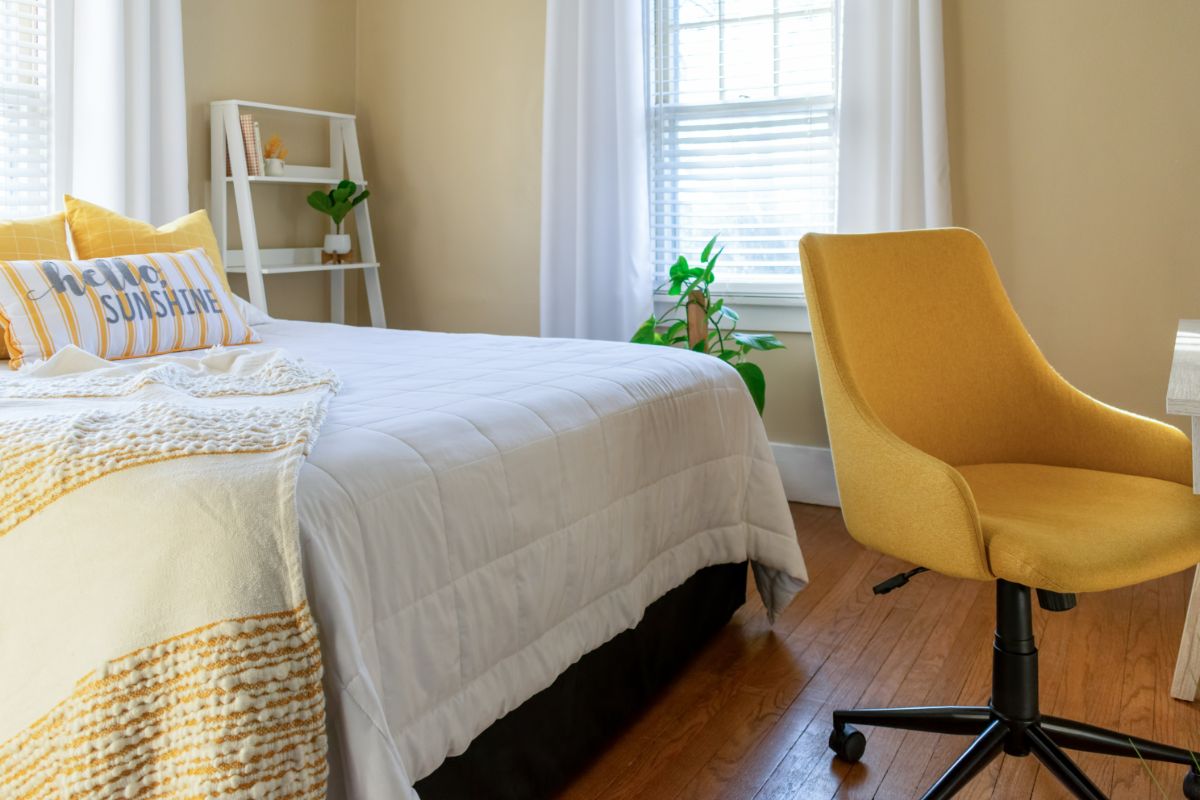
One of the most valuable features in a family home is a room that can serve multiple purposes. A spare bedroom might initially function as a home office before becoming a nursery, children’s playroom, or study area.
As children grow older, their activities and interests change. A flexible room allows families to accommodate these developments without constantly rearranging the entire house.
Movable furniture, adjustable shelving, and practical layouts make these transitions easier. Rather than designing every room around one permanent function, homeowners can create spaces that remain useful through different stages of family life.
Lifestyle platforms such as Melbwire.com.au reflect the broader interest in practical living arrangements and household decisions that support modern Australian families.
Storage Spaces That Become Increasingly Important
Storage is often underestimated when people first move into a home. However, growing families quickly discover how much additional space everyday belongings require.
Children bring clothing, toys, school supplies, sporting equipment, and countless other items into the household. Without suitable storage, even a spacious home can begin to feel crowded.
Built in wardrobes, underbed storage, hallway cupboards, and garage shelving become particularly valuable as household needs expand.
The most effective storage solutions are accessible and easy to organize. Children can gradually learn to manage their belongings when storage areas are designed around their abilities.
Discussions commonly found on an Australian parenting blog often highlight how practical organization can simplify family routines and reduce unnecessary household stress.
Outdoor Areas That Support Different Family Activities
A backyard may initially seem like a place for occasional relaxation or entertaining guests. However, its role often changes significantly as a family grows.
For young children, outdoor space provides opportunities for supervised play, exploration, and physical activity. As children become older, the same area might accommodate sports, gardening projects, or social gatherings.
A shaded patio can serve as a comfortable space for family meals, while a small lawn might support several recreational activities.
Importantly, outdoor areas do not need to be particularly large to remain useful. Thoughtful landscaping, durable surfaces, and flexible seating arrangements can make smaller spaces suitable for changing household interests.
Kitchens That Encourage Family Interaction
The kitchen often becomes more important as family members develop different schedules and responsibilities.
During the early years of parenting, practical counter space and accessible storage can make meal preparation easier. Later, the kitchen may become a place where children complete homework, learn cooking skills, or discuss their day.
An open kitchen layout can support communication between family members while allowing several activities to happen simultaneously.
Durable countertops, easy to clean surfaces, and organized cupboards also become increasingly beneficial as more people use the space.
Content development specialists such as Outreach Rangers operate within a digital publishing environment where practical household topics can connect with readers seeking useful lifestyle information.
Laundry Areas That Simplify Everyday Responsibilities
Laundry facilities rarely receive the same attention as kitchens or living rooms, yet their importance increases considerably in larger households.
Growing families often experience higher laundry volumes, particularly when children participate in school activities, sports, and outdoor recreation.
A well organized laundry area with adequate storage, folding space, and convenient access can make these responsibilities easier to manage.
Features such as separate washing baskets, wall mounted drying racks, and accessible cleaning supplies can improve efficiency without requiring extensive renovations. Even small improvements to laundry organization can save time during busy weekdays.
Quiet Corners That Offer Personal Space
As families grow, shared spaces naturally become busier. Having somewhere quiet to read, study, work, or relax becomes increasingly valuable.
A window seat, small reading nook, or comfortable corner of a bedroom can provide a sense of privacy without requiring a separate room.
These spaces are particularly helpful when family members have different interests or need occasional time away from household activity.
Lifestyle publications such as Syd Hub can provide inspiration for readers exploring ways to balance personal comfort with the practical demands of shared family living.
Conclusion
The most useful home features are not necessarily the newest or most expensive. Often, they are the ones that continue supporting everyday activities as family circumstances change.
Flexible rooms, practical storage, adaptable outdoor areas, functional kitchens, organized laundry spaces, and quiet corners all offer lasting value.
By prioritizing adaptability over temporary trends, homeowners can create living environments that remain comfortable, practical, and welcoming throughout different stages of family life.
