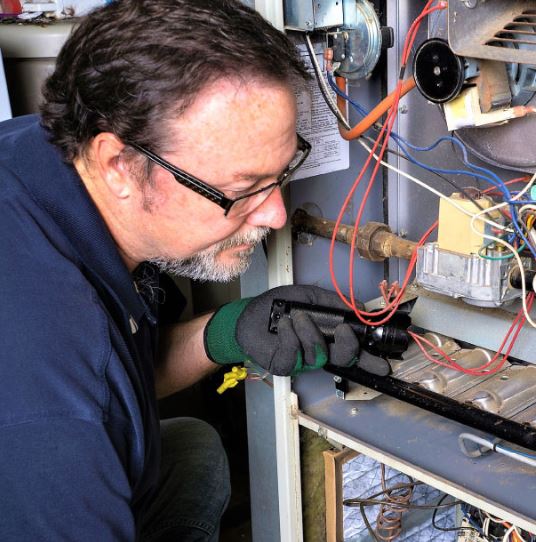
Minnesota winters can be tough on a home’s heating system. When temperatures drop below freezing and cold weather settles in for weeks, a reliable furnace becomes essential for keeping your family comfortable. The last thing any homeowner wants is to discover a heating problem during the first major cold snap.
One of the best ways to prepare is to give your furnace attention before winter arrives. Regular maintenance helps identify developing issues, supports efficient operation, and reduces the likelihood of unexpected breakdowns when your system is working hardest.
Whether you live in Pine City, Rush City, or another Minnesota community, this guide covers practical furnace maintenance steps to complete before the heating season begins.
Why Furnace Maintenance Matters Before Winter
A furnace may appear to work normally during mild weather, but small problems can become more noticeable when it runs for extended periods. A dirty filter, restricted airflow, worn component, or ventilation issue can affect performance and potentially lead to a system failure.
Preventive maintenance offers several benefits:
- More dependable heating: Inspections can identify problems before they become major breakdowns.
- Better airflow: Clean filters and unobstructed vents help warm air circulate throughout the home.
- Energy-conscious operation: A properly maintained furnace is less likely to struggle because of neglected maintenance issues.
- Improved safety: Professional checks can identify concerns involving gas connections, combustion, venting, and other critical components.
- Longer equipment life: Addressing wear and maintenance needs can help protect your investment.
The goal is not simply to get the furnace running for the first cold day. It is to prepare the entire heating system for months of regular use.
1. Replace or Clean the Furnace Filter
Checking the air filter is one of the easiest maintenance tasks homeowners can perform. During normal operation, the filter collects dust and other airborne particles. Over time, that buildup can restrict airflow and make the furnace work harder to circulate warm air.
Before winter begins, inspect the filter and replace or clean it according to the manufacturer’s instructions. The right schedule depends on the filter type, household conditions, pets, and how frequently the heating system operates.
A few useful habits include:
- Check the filter monthly during periods of heavy furnace use.
- Replace disposable filters when they become dirty or reach their recommended service interval.
- Clean reusable filters according to the manufacturer’s directions.
- Make sure the replacement filter has the correct size and rating for your system.
Avoid assuming that a thicker or more restrictive filter is automatically better. Always choose a filter compatible with your furnace.
2. Test the Thermostat
Your thermostat controls when the furnace operates and helps maintain your preferred indoor temperature. If it is not working correctly, your home may feel uncomfortable even when the furnace itself is in good condition.
Before the heating season, switch the thermostat to heating mode and raise the temperature slightly above the current room temperature. Check whether the furnace responds as expected.
Also consider:
- Replacing thermostat batteries if required.
- Checking that the thermostat is securely mounted.
- Making sure it is not affected by direct sunlight or nearby heat sources.
- Reviewing programmable schedules for the upcoming season.
- Confirming that the displayed temperature seems reasonable.
If the furnace does not respond, cycles unusually, or struggles to maintain the set temperature, arrange an inspection rather than assuming the thermostat is the only problem.
3. Clear Vents and Return-Air Openings
Blocked vents can interfere with airflow and make it harder for your heating system to distribute warm air evenly. Furniture, rugs, curtains, and stored household items can accidentally cover supply registers or return-air grilles.
Walk through your home and check each room. Make sure vents are open and unobstructed. Remove dust from accessible grille surfaces and vacuum around the openings when needed.
Pay attention to rooms that consistently feel colder than the rest of the house. Restricted airflow, duct problems, insulation issues, or other factors may be contributing to the temperature difference.
Do not close numerous vents in an attempt to force more heat into other rooms. Your heating system is designed to operate with a particular airflow balance, and restricting it can create additional problems.
4. Inspect the Area Around the Furnace
The space around your furnace should remain clean, accessible, and free from unnecessary clutter. Before winter, remove boxes, cleaning supplies, laundry, and other stored items that may interfere with access or airflow.
Keep combustible materials away from the furnace and follow the clearance requirements in the manufacturer’s instructions. Do not store gasoline, paint thinners, or other flammable products near heating equipment.
Also look for obvious signs that something may be wrong, such as:
- Water around the furnace
- Visible rust or corrosion
- Unusual residue or staining
- Damaged or disconnected visible ductwork
- Unusual odors when the system operates
Homeowners should avoid opening sealed furnace compartments or attempting repairs. If you notice anything concerning, have a qualified HVAC technician inspect it.
5. Check the Outdoor Exhaust and Intake Pipes
Many high-efficiency furnaces use outdoor pipes to bring in combustion air and exhaust gases. In Minnesota, snow, ice, leaves, and other debris can obstruct these openings during the winter.
Before cold weather arrives, locate the intake and exhaust terminations and check that they are clear. During winter, inspect them periodically after heavy snowfall or drifting snow.
Follow the furnace manufacturer’s instructions for maintaining the required clearance. Never cover these pipes or make modifications to their placement.
If an exhaust pipe appears damaged, disconnected, or obstructed in a way you cannot safely address, contact an HVAC professional.
6. Check Smoke and Carbon Monoxide Detectors
Heating season is a good time to review your home’s safety equipment. Make sure smoke alarms and carbon monoxide (CO) alarms are installed in the appropriate locations and working according to their manufacturers’ instructions.
Test the alarms and replace batteries or devices when needed. Follow local requirements and the detector manufacturer’s recommendations for placement and replacement.
Carbon monoxide is especially important to consider when using fuel-burning appliances. It is colorless and odorless, so you cannot rely on your senses to detect it.
If a CO alarm sounds, get everyone outside into fresh air and call emergency services. Do not re-enter until authorities say it is safe. If you smell natural gas or suspect a gas leak, leave immediately without operating electrical switches or creating flames, then contact emergency services or the gas utility from a safe location.
7. Listen for Unusual Furnace Noises
A furnace naturally makes some sound while operating, but a noticeable change in its normal noise level can indicate a problem.
Pay attention to sounds such as:
- Rattling: Could indicate loose panels or components.
- Grinding: May point to a problem with a motor or moving part.
- Banging: Could be related to ignition or duct expansion, depending on when it occurs.
- Repeated clicking: May indicate an ignition or control issue.
Do not attempt to diagnose internal mechanical or gas-related problems yourself. If the furnace makes unusual or persistent noises, schedule a professional inspection before winter demand increases.
8. Schedule a Professional Furnace Inspection
Homeowner maintenance is useful, but it cannot replace a complete professional tune-up. A trained technician can inspect components that are not accessible or safe for homeowners to service.
A typical furnace inspection may include:
- Cleaning and adjusting burners
- Inspecting the heat exchanger
- Checking gas pressure and burner flame
- Inspecting the ignitor or pilot system
- Checking the air filter and airflow
- Examining electrical connections and safety controls
- Inspecting venting and combustion-related components
The Minnesota Department of Commerce recommends annual furnace cleaning and tuning to help keep systems properly adjusted. ENERGY STAR also recommends scheduling heating-system checkups in the fall, before winter demand increases.
For homeowners in Pine City and surrounding communities, True North Heating and Air provides heating services that include furnace inspections, maintenance, repair, and installation. Scheduling an inspection before the coldest weather arrives gives you an opportunity to address concerns before the system is under heavy demand.
9. Pay Attention to Your Furnace’s Age and Performance
Maintenance can help keep a furnace in good working condition, but it cannot prevent every equipment problem. As a system gets older, repairs may become more frequent and replacement may eventually make better financial sense.
Watch for warning signs such as:
- Increasingly frequent repair visits
- Uneven heating throughout the house
- Unexplained increases in energy use
- Difficulty maintaining the thermostat setting
- Persistent unusual noises
- Visible corrosion or recurring component problems
If your furnace is aging or struggling to heat your home, ask a qualified contractor to evaluate its condition. A professional can explain whether repair is reasonable or whether replacement deserves consideration.
If replacement is necessary, reviewing options with an experienced Best Furnace Company can help you understand equipment choices, installation considerations, and the factors that affect the long-term value of a new heating system.
10. Prepare Your Home for Cold Weather
Furnace maintenance is only one part of preparing a home for Minnesota winter. Even a well-maintained heating system may struggle if warm air escapes through gaps and poorly insulated areas.
Before temperatures drop, consider these additional steps:
- Inspect weatherstripping around exterior doors.
- Seal noticeable gaps around windows and other openings.
- Check attic insulation and look for obvious areas of heat loss.
- Keep curtains open during sunny daytime hours when useful.
- Close them at night to help reduce heat loss through windows.
- Keep basement and utility-room areas accessible for equipment inspections.
These improvements can help reduce drafts and make indoor temperatures more consistent.
A Simple Pre-Winter Furnace Maintenance Checklist
Use this checklist as a reminder when preparing your home for the heating season:
- Inspect and replace or clean the furnace filter.
- Test the thermostat and review its settings.
- Clear supply vents and return-air openings.
- Remove clutter from around the furnace.
- Check outdoor intake and exhaust pipes for obstructions.
- Test smoke and carbon monoxide alarms.
- Listen for unusual noises during furnace operation.
- Schedule a professional furnace inspection.
- Review the system’s age, repair history, and performance.
- Check doors and windows for drafts.
Keep in mind that this checklist covers basic homeowner tasks. Internal cleaning, combustion testing, gas adjustments, and electrical repairs should be handled by a qualified professional.
Preparing your furnace before a Minnesota winter is a practical way to protect your home’s comfort and reduce the risk of heating problems during the coldest months. Simple habits, such as checking filters, keeping vents clear, testing alarms, and watching for unusual noises, can make a difference.
Just as importantly, schedule a professional inspection before winter arrives. A technician can examine the furnace, identify developing concerns, and recommend repairs or other improvements when necessary.
Whether your system needs routine maintenance or may be approaching the end of its useful life, taking action early gives you more time to make informed decisions. With a little preparation, your home can be better equipped to handle another long Minnesota winter.